الاثنين، 15 أغسطس 2016

What are the parts of the body & What are senses


our body is more than what you see when you look in the mirror – there are different parts that have different jobs, but each part works together so you can eat, sleep, sit in class and play with friends.

Your body is a pretty amazing thing! While there’s lots happening on the outside that you can see, such as scratching an itch, eating lunch with your friends at school and running outdoors, there’s even more happening inside. 


Think about what happens when Mum or Dad tells you that dinner is ready – you can hear them asking you to wash your hands, feel the water and soap against your skin, smell what’s cooking, see your chair at the table and taste the food on your plate. You can do all of that thanks to your senses!

Senses allow us to observe and understand the world around us. There are five main ways we can do this: through sight (with our eyes), touch (with our fingers), smell (with our nose), taste (with our tongue) and hearing (with our ears).


Resources :


الأحد، 14 أغسطس 2016

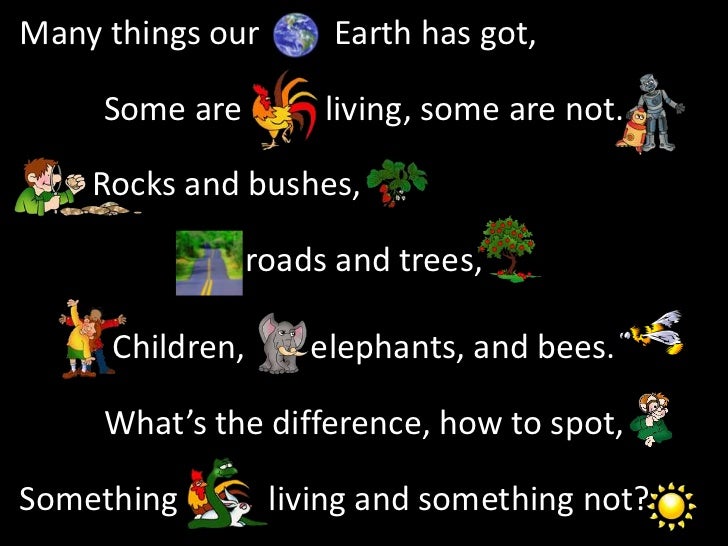
Living and Non Living Things songs


Some beautiful songs about living things and nonliving things


the right way to write the date in the white board


كتابة التاريخ بالانجليزية – Writing the Date :


لعل كتابة التاريخ بالانجليزية يثير بعض الحيرة لدى من يتعلم اللغة الانجليزية. بالاخص ان كتابة التاريخ بالانجليزية تختلف قليلا عما هو معمول به في كتابة التاريخ باللغة العربية.
في هذا الدرس من سلسلة دروس قواعد اللغة الانجليزية سنسلط الضوء بشيء من التفصيل على كيفية كتابة التاريخ بالانجليزية اضافة الى ذلك فسنتطرق أيضا الى كيفية قراءة التاريخ بالانجليزية.
ان كتابة التاريخ بالانجليزية تعتمد على منهجين أساسين عادة، هما:
1- كتابة التاريخ بالانجليزية وفقاً للمنهج البريطاني؛ حيث يتم في هذا المنهج كتابة التاريخ وفق الترتيب التالي: (اليوم ، الشهر ، السنة).
مثال:
7 April 2014
2- كتابة التاريخ بالانجليزية وفقاً للمنهج الأمريكي؛ حيث يتم في هذا المنهج كتابة التاريخ وفق الترتيب التالي : (الشهر ، اليوم ، السنة).
مثال:
April 7, 2014

وبعد التعرف على هذه المقدمة حول كتابة التاريخ بالانجليزية ، لنبدأ الدرس !

كتابة التاريخ بالانجليزية

Writing the Date

 قبل البدء في تفصيل كيفية كتابة التاريخ بالانجليزية ، ندعوكم للتعرف أكثر على المعلومات العامة هذه:
The Months of the Year
أشهر السنة
يوليو July يناير January
أغسطس August فبراير February
سبتمبر September مارس March
أكتوبر October ابريل April
نوفمبر November مايو May
ديسمبر December يونيو June
اختصار أشهر السنة
*** عند الاختصار يجب أن نضع نقطة في نهاية الاختصار .
Jul. July Jan. January
Aug. August Feb. February
Sep. September Mar. March
Oct. October Apr. April
Nov. November ــــــ May
Dec. December Jun. June
الأرقام Numbers
seventeenth 17th first 1st
eighteenth 18th second 2nd
nineteenth 19th third 3rd
twentieth 20th fourth 4th
twenty – first 21st fifth 5th
twenty – second 22nd sixth 6th
twenty – third 23rd seventh 7th
twenty – fourth 24th eighth 8th
twenty – fifth 25th ninth 9th
twenty – sixth 26th tenth 10th
twenty – seventh 27th eleventh 11th
twenty – eighth 28th twelfth 12th
twenty – ninth 29th thirteenth 13th
thirtieth 30th fourteenth 14th
thirty – first 31st fifteenth 15th
sixteenth 16th

قاعدة كتابة التاريخ بالانجليزية :

التواريخ Dates
*** عندما نقرأ التاريخ نبدأ باليوم ثم الشهر ثم السنة .
*** قراءة التاريخ تختلف عن كتابته :-
ان قراءة التاريخ بالانجليزية تختلف عن كتابة التاريخ بالانجليزية ؛ حيث ان قراءة التاريخ بالانجليزية تتطلب منا لفظ كلمتي ( The و Of )، الا اننا حين الكتابة لا نكتبهم.
( * ) 03 / 9 / 2007 :-
The third of September , two thousand and seven .
( * ) 14 / 2 / 2004 :-
The fourteenth of February , two thousand and four .
( * ) 15 / 3 / 1994 :-
The fifteenth of March , nineteen ninety – four .
( * ) 02 / 1 / 2005 :-
The second of January , two thousand and five .
( * ) 22 / 3 / 2007 :-
The twenty – second of March , two thousand and seven .
( * ) 23 / 7 / 1994 :-
The twenty – third of July , nineteen ninety – four .
( * ) 30 / 4 / 1997 :-
The thirtieth of April , nineteen ninety – seven .
( * ) 12 / 6 / 2015 :-
The twelfth of June , two thousand and fifteen .
( * ) 13 / 5 / 2003 :-
The thirteenth of May , two thousand and three .
( * ) 10 / 8 / 1999 :-
The tenth of August , nineteen ninety – nine .
( * ) 06 / 9 / 2009 :-
The sixth of September , two thousand and nine .
( * ) 09 / 1 / 1977 :-
The ninth of January , nineteen seventy – seven .
( * ) 21 / 12 / 2004 :-
The twenty – first of December , two thousand and four .
*** في الولايات المتحدة الأمريكية ، التاريخ يبدأ بالشهر ثم اليوم ثم السنة :-
( * ) 14 / 7 / 1993 :-
July the fourteenth , nineteen ninety – three .
( * ) 04 / 9 / 2004
September the fourth , two thousand and four .

تمرين كتابة التاريخ باللغة الانجليزية :
اكتب التواريخ الانجليزية التالية:
*** Write the following dates :-
( * ) 01 / 1 / 2018 : …………………………………………………………………..
( * ) 02 / 2 / 2017 : …………………………………………………………………..
( * ) 03 / 3 / 2016 : …………………………………………………..
( * ) 04 / 4 / 2015 : …………………………………………………..
( * ) 05 / 5 / 2016 : ………………………………………………..

الخميس، 11 أغسطس 2016

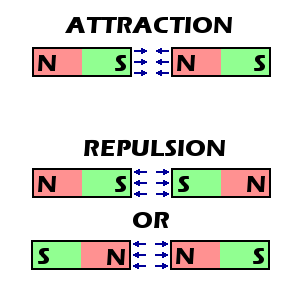
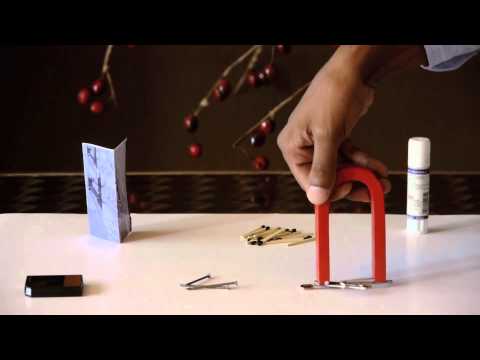
Magnets can attract some objects, including other magnets.


Process Skills:

 Observation, Classification, Communication, Prediction, Inference, Experimentation, and Defining Operationally.


1. Have all the students stand in a circle facing the center. Explain the rule that if they are facing the same direction they can not touch each other. If they are facing in the opposite direction than their neighbors, then they need to make a connection and hold hands.


2. Have every other child turn around and face away from the center. Ask if the students see any connections that can be made. Have every one face the front again.


3. Repeat the above exercise about three times. Each time use a different pattern of selecting children to face away from the center. (2 in, 1 out) (3 in, 2 out) (etc.). After each selection, ask the students to look for connections that can be made.


4. Have children work in pairs. Assign pairs by telling them to work with the child who sits next to them in classroom. Give each child a magnet and have the pairs “play” with the magnets together. (Refer back to earlier activity) “Think about how your magnet acts with your partner’s magnet.”


A. “Do you notice anything interesting about how the magnets work together?” B. “Do the magnets like each other by going together, or do they act like they don’t want to be together?” “Anyone else notice anything?” C. “Do all of your magnets do that, or do just some of the magnets act that way?”


CONCEPT INTRODUCTION PHASE: 


1. “Why do you think the magnets are attracted to each other sometimes, and at other times they don’t want to go near each other?” (Listen to ideas from several students)


2. “We have some words that describe how the magnets are acting. You heard me say that the magnets are ATTRACTED to each other. What does it mean for magnets to be attracted to something?” “The opposite of attraction is called REPULSION, and that means that it pushes away.” Show two magnets being attracted to one another. “I can make the same two magnets show repulsion by turning one of them around like this.” “Every magnet has two POLES, a NORTH pole, and a SOUTH pole. The poles are on the ends of the magnets. Earlier, when I had you hold hands if you were facing in opposite directions, you were acting like magnets, and your hands were the poles. When you were the same, you couldn’t touch, and that is what happens with magnets. The poles have to be different for the poles of two magnets to touch. How many have ever heard the phrase OPPOSITES ATTRACT? That’s a very easy way to remember about magnets. The NORTH POLE always wants to be next to the SOUTH POLE because they are opposites.”


How do we measure objects of different sizes? How do we compare one measurement to another?


How do we measure objects of different sizes? How do we compare one measurement to another?


Do Now: (Have rulers, yardstick and tape measure hanging in front of the class) Make a list of the names of these measuring tools, and how long you think they are. Bonus: Write down the names of any units of measurement that you know.


Motivation: When would it be helpful to know how long something is?


Lesson/Modeling:

• Ask students:  Do we have to use a ruler to measure? Let’s think about other ways that we can measure things.


• Ask students for other ideas for units of measurement, i.e. “thumb,” “hand,” “pencil,” and record student’s suggestions on a large piece of paper or chalkboard.

• Model using your finger to measure the length of a book (It’s two and a half fingers long). 
• Have students use an informal unit to measure the longest edge of their desktop or table. Each student or group of students should use the same informal unit, for example each student should use a hand, or a finger, or a pencil as their unit, but they should each use their own finger or hand so that the resulting measurements vary. Have students record their measurement. Move among students to observe and assist if necessary.


• Have students use a ruler to measure the same edge to the nearest inch. Record the measurements.

• Bring the class back to order and compare the resulting informal unit measurements with the standard unit measurements. Ask students what they notice about the results. Ask students why they think we might use standardized unit labels for measurement. What are the pros and cons? Can you think of some situations where it would be okay, or better, to use informal units for measurement?


• Using an everyday object (a book, desktop, computer monitor, chalk board) ask students to estimate the lengths or measurements of the object. Records the estimates on a large sheet of paper or the chalk board. 


• Ask the students to relate their estimates to the measuring tools or to the other objects when making a guess. How many squares long is this textbook? How many rulers would it take to reach the end of the chalkboard?


Plant Life Cycle


A Fun Way To Teach Kids about The Four Seasons


المشروعات البحثية للمراحل التعليمية الاساسية

أحصل على القوالب الخاصة بالمشروعات البحثية للمراحل التعليمية الاساسية من خلال هذا الرابط Get templates for research projects for basic edu...